Overview
EPIC Code:
Soft Test Code:
Send Out Test Code:
- 91477
Alternate Names
- MUPAN
- Mycoplasma Ureaplasma Panel
- Mycoplasma/Ureaplasma Panel
Included Tests
Mycoplasma genitalium; Mycoplasma hominis; Ureaplasma species
Included Tests References:
Clinical Significance
Mycoplasma/Ureaplasma Panel - Mycoplasma and Ureaplasma spp. have been associated with genital tract infection. M. genitalium has been implicated in cervicitis, endometritis, and PID. M. hominis has also been associated with cervicitis and is present in increased numbers in vaginosis. Ureaplasma spp. have been linked to upper genitourinary tract infection and to premature labor and abortion. Because of their nature, these organisms are not routinely cultured and are better detected by molecular methods. Recently, by molecular means two groups of Ureaplasma spp. have been distinguished- U. parvum and U. urealyticum, with the former being more prevalent in the lower genital tract of a healthy woman. It is not clear which species more predominantly causes infection. M. hominis and the ureaplasmas appear to be opportunists when they infect the upper genitourinary tract. These organisms have also been targeted as having a possible role in infertility, although this remains a gray area.
Specimen Collection & Preparation
Patient Preparation
Male Swab Collection: Patient should not have urinated within one hour prior to collection.
Specimen Overview
For females, vaginal swabs are the preferred specimen type due to higher clinical sensitivity for detecting M. genitalium than other specimen types; however, female urine or clinician collected endocervical swabs may be used as alternative specimens when vaginal swab specimens are not available. If female urine or clinician-collected endocervical swab specimens test negative, testing with a vaginal swab may be indicated, if M. genitalium infection is suspected.
Specimen Requirements:
-OR-
1 Vaginal Swab in an Aptima® Multi-Swab Specimen Collection Kit
Specimen Information:
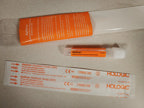
Collection Instructions:
Refer to the specimen collection kit package insert for specific collection instructions.
Rejection Criteria:
Transport tubes with 2 swabs
Transport tubes with non-Aptima® swabs
Swab transport tubes with no swab
Swab submitted in non-Aptima® transport containers
Sample on patient less than 15 years of age
Transport and Storage:
-
Ambient (18-24°C):
14 Days
Transport
-
Ambient (18-24°C):
14 Days
-
Frozen (-20 C or colder):
30 Days
-OR-
1 Endocervical Swab in an Aptima® Unisex Swab Specimen Collection Kit
Specimen Information:
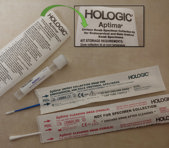
Collection Instructions:
Refer to the specimen collection kit package insert for specific collection instructions.
Rejection Criteria:
Transport tubes with 2 swabs
Transport tubes with non-Aptima® swabs
Swab transport tubes with no swab
Swab submitted in non-Aptima® transport containers
Sample on patient less than 15 years of age
Transport and Storage:
-
Ambient (18-24°C):
14 Days
Transport
-
Refrigerated (2-8°C):
14 Days
-
Frozen (-20 C or colder):
30 Days
-OR-
1 Male Urethral Swab in an Aptima® Unisex Swab Specimen Collection Kit
Collection Instructions:
Refer to the appropriate specimen collection kit package insert for specific collection instructions
Rejection Criteria:
Transport tubes with 2 swabs
Transport tubes with non-Aptima® swabs
Swab transport tubes with no swab
Swab submitted in non-Aptima® transport containers
Urine sample of a female
Sample on patient less than 15 years of age
Transport and Storage:
-
Ambient (18-24°C):
14 Days
-
Refrigerated (2-8°C):
14 Days
-
Frozen (-20 C or colder):
30 Days
-OR-
2.0 mL Male Urine in an Aptima® Urine Collection Kit
Minimum Volume:
2.0 mL Urine** This volume does not allow for repeat testing
Specimen Information:
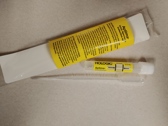
Collection Instructions:
Urine must be transferred to an Aptima urine transport tube in accordance with the instructions in the urine collection kit package insert.
Direct patient to provide a first-catch urine (a maximum of 20-30 mL of the initial urine stream) into a urine collection cup free of any preservatives.
2 mL of urine specimen must be transferred into the APTIMA® urine specimen transport within 24 hours of collection and before being assayed.
Use the tube provided in the urine specimen collection kit. The fluid (urine plus transport media) level in the urine transport tube must fall within the clear pane on the tube label
Rejection Criteria:
Urine samples where fluid level is not between the black fill lines
Urine submitted in non-Aptima® transport containers
Urine sample of a female
Sample on patient less than 15 years of age
Transport and Storage:
-
Ambient (18-24°C):
14 Days
-
Refrigerated (2-8°C):
14 Days
-
Frozen (-20 C or colder):
30 Days
After collection, urine specimens in the primary collection container can be stored at 2° C to 30° C for up to 24 hours before urine is transferred to the transport tube.
Clinical Interpretation
Reference Range:
Mycoplasma hominis, Real-Time PCR: Not detected
Mycoplasma genitalium, rRNA, TMA: Not detected
Ureaplasma species, Real-Time PCR U. parvum DNA: Not detected
U. urealyticum DNA: Not detected
Methodology:
- Real-Time Polymerase Chain Reaction
- Transcription-Mediated Amplification (TMA)
Clinical Significance
Mycoplasma/Ureaplasma Panel - Mycoplasma and Ureaplasma spp. have been associated with genital tract infection. M. genitalium has been implicated in cervicitis, endometritis, and PID. M. hominis has also been associated with cervicitis and is present in increased numbers in vaginosis. Ureaplasma spp. have been linked to upper genitourinary tract infection and to premature labor and abortion. Because of their nature, these organisms are not routinely cultured and are better detected by molecular methods. Recently, by molecular means two groups of Ureaplasma spp. have been distinguished- U. parvum and U. urealyticum, with the former being more prevalent in the lower genital tract of a healthy woman. It is not clear which species more predominantly causes infection. M. hominis and the ureaplasmas appear to be opportunists when they infect the upper genitourinary tract. These organisms have also been targeted as having a possible role in infertility, although this remains a gray area.
Production Schedule
Sites Performed
- Quest - Chantilly
Days Performed
Monday
Tuesday
Wednesday
Thursday
Friday
Saturday
Departments
- Sendouts - Miscellaneous
Turn Around Time
4 to 5 days
Coding & Compliance
CDM
00919206, 00919207, 00919209
CPT Coding
87563, 87798 (x3)